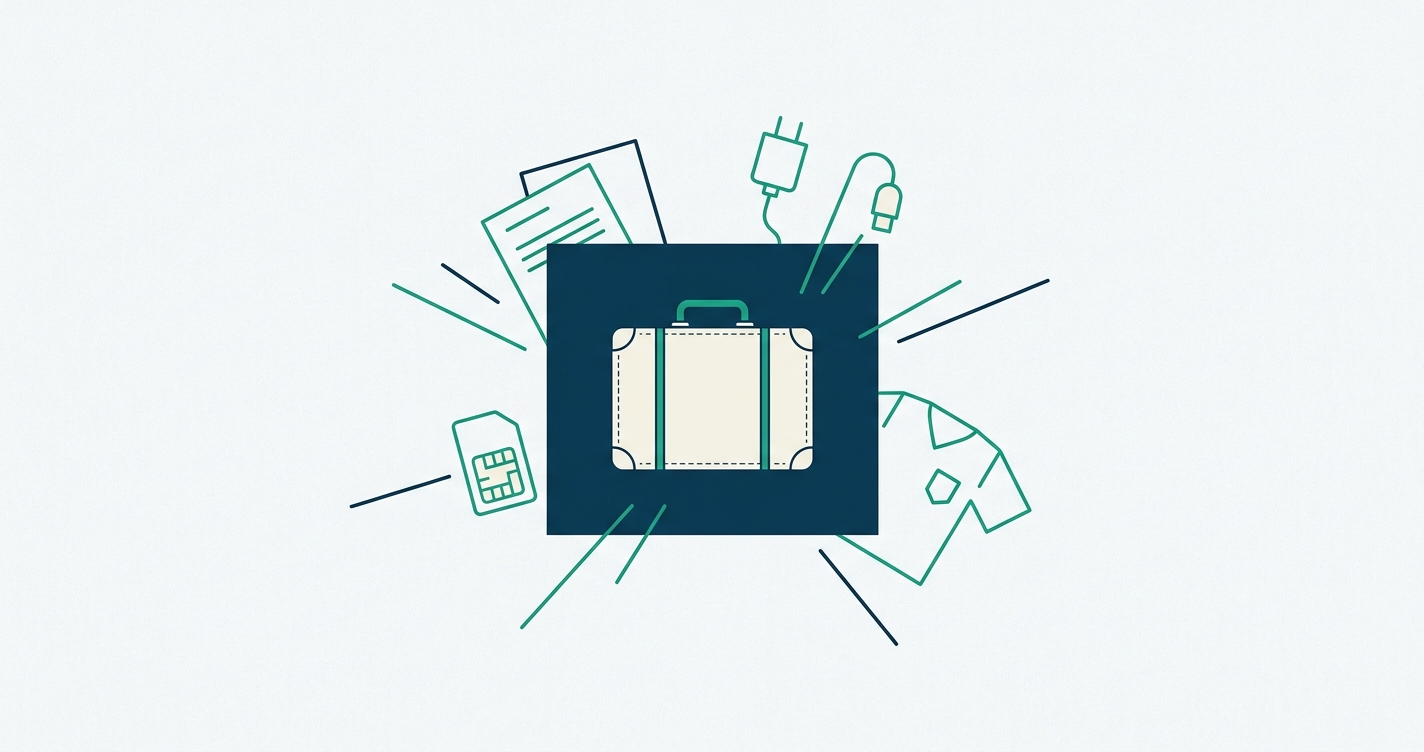
What to Pack for a Medical Trip to China
Preparing for a medical journey abroad involves more than just booking a flight. For patients traveling to China for care, the central question is often practical: what to pack for a medical trip? The right preparation ensures comfort, safety, and peace of mind. A well-organized suitcase allows you to focus solely on your health and recovery. This guide provides a comprehensive framework for packing, tailored to the specific needs of international patients receiving treatment in China.
The Global Context of Medical Travel
Medical tourism is a significant and growing global industry. The global market was valued at over USD 60 billion in 2023 and is projected to expand considerably (Grand View Research, 2024). This growth reflects an increasing number of patients seeking specialized care, advanced procedures, and lower-cost options outside their home countries. As patients become global consumers of healthcare, the logistics of travel become an integral part of the clinical experience. Proper planning and packing are no longer minor details. They are essential components of a successful medical outcome. This is particularly true for destinations like China, which offer a unique cultural and logistical landscape.
1. Essential Documentation for Your Journey
Your travel folder is the most critical item you will pack. We recommend carrying both physical and secure digital copies of all essential documents. Store digital versions in a password-protected cloud service or on an encrypted USB drive.
Your document checklist should include:
- Passport and Visa: Ensure your passport is valid for at least six months beyond your planned departure date. Your Chinese medical visa (often an M-visa or S2-visa) should be secured well in advance.
- Medical Records: Bring comprehensive records relevant to your condition and treatment. This includes diagnostic imaging (X-rays, MRIs), lab results, and physician's notes. While your ChinaMedDirect coordinator will have these on file, carrying a personal copy is prudent.
- Physician's Letter and Prescriptions: A letter from your home doctor detailing your condition and treatment plan is vital. If you are carrying prescription medications, include a copy of the prescription and a doctor's note explaining their necessity.
- Proof of Financials: This may include bank statements or a letter from your financial institution. It is often required for visa applications and can be useful upon entry.
- Contact Information: A printed list of contacts is crucial in case of a lost or malfunctioning phone. Include your family, your doctor at home, your ChinaMedDirect case manager, and your country's embassy or consulate in China.
2. Managing Medications and Personal Health
Navigating medication protocols is a key part of what to pack for a medical trip. Bring enough of your prescription medications to last your entire stay, plus an extra week's supply for potential delays.
Medication Packing Protocol:
- Keep in Original Containers: All medications should remain in their original, clearly labeled pharmacy containers.
- Carry-On Only: Never pack essential medications in checked luggage. Flight delays or lost baggage could interrupt your treatment schedule.
- Check Regulations: Before travel, verify that your medications are permitted in China. Some substances, particularly certain stimulants or strong pain relievers, may be restricted. Your ChinaMedDirect coordinator can assist with this verification process.
In addition to prescriptions, a small personal health kit is advisable. Consider including pain relievers, antihistamines, antiseptic wipes, bandages, and any preferred over-the-counter remedies for minor ailments like colds or indigestion.
3. Electronics, Connectivity, and Payments
Staying connected and managing finances in China requires specific preparation. The country's digital ecosystem is highly advanced but operates differently from that of many Western nations.
| Connectivity Option | Pros | Cons | Best For |
|---|---|---|---|
| Home Carrier Roaming | Convenient, uses your existing number. | Can be extremely expensive. | Short-term travelers needing minimal data. |
| Local SIM Card | Cost-effective for data and local calls. | Requires an unlocked phone; setup can be complex. | Longer stays (2+ weeks) and heavy data users. |
| Travel eSIM | Easy to set up before arrival; multiple plans available. | Requires a modern, eSIM-compatible phone. | Tech-savvy travelers wanting immediate connectivity. |
Beyond connectivity, prepare for the following:
- Power Adapter: China uses Type A and Type I outlets. A universal travel adapter is the most reliable solution. The standard voltage is 220V, so check if your devices are dual-voltage compatible.
- VPN (Virtual Private Network): Many Western websites and apps (including Google, Facebook, and WhatsApp) are blocked in China. Install and test a reputable VPN on all your devices before you leave home.
- Payment Apps: China operates on a largely cashless basis through Alipay and WeChat Pay. Set these up and link them to a credit card before your trip. While major hospitals accept international credit cards, mobile payments are essential for daily life.
4. Packing for Comfort and Recovery
Your clothing and personal items should prioritize comfort and function. Hospital environments and recovery periods demand practical choices. Pack loose-fitting, soft clothing that is easy to put on and take off.
Recovery Wardrobe Essentials:
- Front-fastening shirts or gowns: Avoid clothing that must be pulled over your head, especially after surgeries involving the upper body.
- Elastic-waist pants: Items like sweatpants or pajama bottoms are ideal.
- Slip-on footwear: Shoes like slippers or clogs are easy to manage and safer than flip-flops. Include a pair with non-slip soles.
- Layers: A sweater, cardigan, or light robe is useful, as hospital temperatures can vary.
- Compression socks: These can help prevent blood clots during long flights and periods of immobility.
Consider packing familiar comfort items, such as a favorite pillowcase, a travel blanket, or noise-canceling headphones to help you rest in the unfamiliar hospital environment.
What this means for international patients
For patients traveling to China, this packing list serves as a foundation for a well-managed trip. ChinaMedDirect’s partner hospitals are modern facilities, often equipped with amenities catering to international visitors. However, personal preparation remains key. Your ChinaMedDirect patient coordinator will provide a hospital-specific list, but you should anticipate your personal needs.
For instance, while hospitals provide basic toiletries, you may prefer your own brands for comfort. Most daily necessities can be purchased in China at a reasonable cost, but having essentials for the first few days is wise. A small "arrival kit" with travel-sized toiletries, a change of clothes, and any critical medications in your carry-on ensures a smooth transition.
Budgeting for incidental purchases is also practical. While major medical costs are arranged, a small fund for personal items is useful. Recent patient reports suggest allocating approximately USD 200–300 for initial setup costs, such as a local SIM card, snacks, and any forgotten personal items. This preparation minimizes stress, allowing you to focus entirely on your treatment and recovery.
FAQ
Do I need to translate my medical documents into Mandarin?
Your ChinaMedDirect patient coordinator will handle the translation of all necessary medical records for your clinical team. However, it is a good practice to carry the original English documents with you as a personal backup.
Can I buy my prescription medication in China?
It is strongly advised to bring your full supply of prescription medication from home. While some medications may be available, brand names, dosages, and formulations can differ. Locating an exact equivalent can be difficult and time-consuming, potentially disrupting your care.
How do I access money and make payments?
Set up Alipay or WeChat Pay on your smartphone before you travel and link it to your international credit card. For cash, ATMs are widely available in major cities, but it is best to notify your bank of your travel plans to avoid your card being blocked. Carry a small amount of local currency (Chinese Yuan, CNY) for initial expenses like a taxi.
Is a VPN necessary for a short medical trip?
Yes. If you wish to access common Western services like Google Maps, Gmail, WhatsApp, or your social media accounts, a VPN is essential. Download and subscribe to a reliable VPN service on all your devices before you depart.
What kind of electrical adapter is used in China?
China primarily uses plug types A and I. A universal travel adapter is the most versatile and recommended option to ensure you can charge all your devices. The standard voltage is 220V at 50 Hz.
Should I pack toiletries or buy them there?
Pack travel-sized versions of your essential toiletries to cover the first few days. Once settled, you can easily purchase high-quality international and local brands in any major Chinese city. This helps save luggage space.
Next steps
Proper preparation is a vital step toward a successful medical journey. For detailed, treatment-specific guidance and checklists tailored to your procedure and chosen hospital, please contact our patient services team. They can provide personalized advice to ensure your trip is as comfortable and seamless as possible.