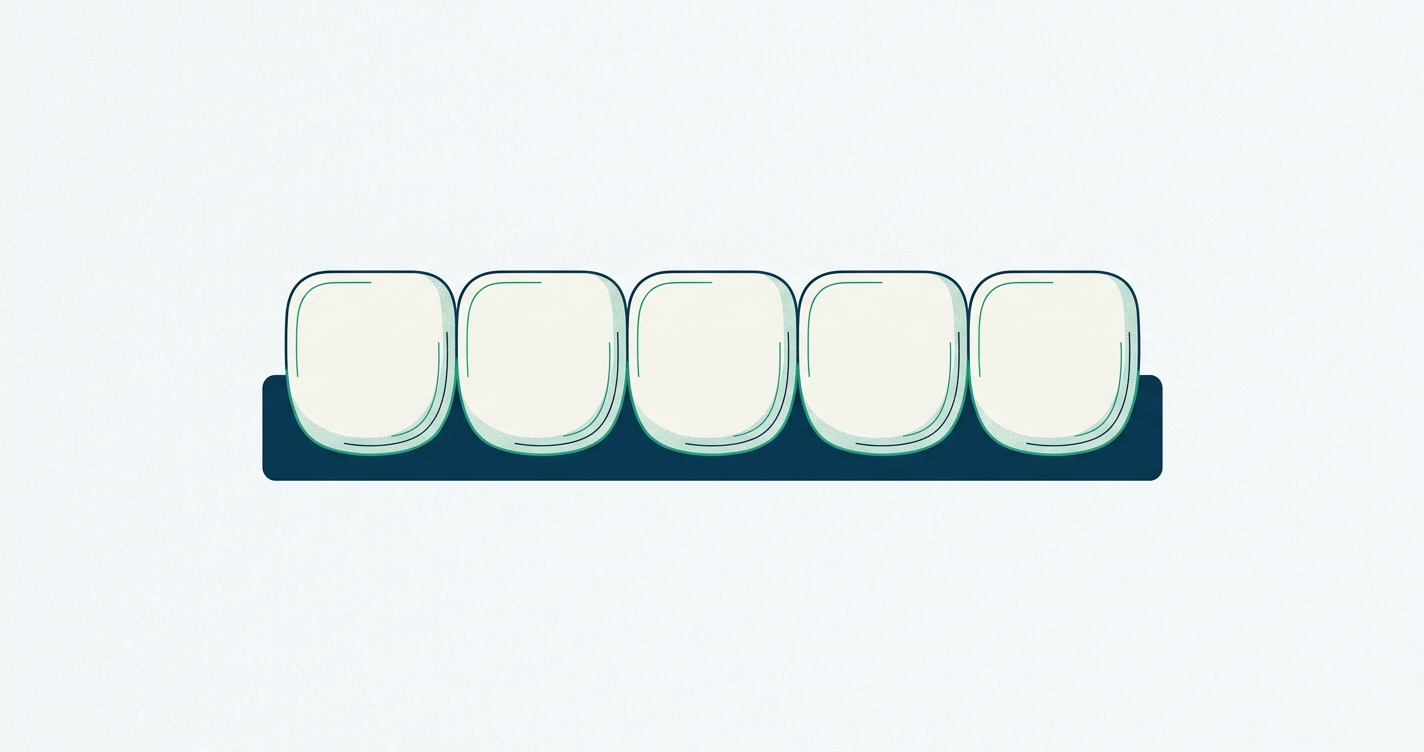
How does one achieve a lasting, natural-looking smile transformation? For many, the answer lies in porcelain veneers. Yet the high cost in North America and Europe can be a significant barrier. This leads patients to ask a critical question. Can world-class results be found elsewhere? The growing field of dental tourism suggests they can. A comprehensive plan for Hollywood smile veneers in China combines leading materials, digital precision, and significant cost advantages. This makes a full smile redesign an accessible reality for international patients.
The global cosmetic dentistry market is expanding rapidly. Valued at over USD 30 billion in 2022, it is projected to grow consistently through the end of the decade (2023, Grand View Research). This growth is driven by rising disposable incomes and a greater cultural emphasis on aesthetics. Technological advancements play a central role. Computer-aided design and manufacturing (CAD/CAM) have revolutionized the creation of dental restorations. These technologies allow for unprecedented precision and speed. Once the exclusive domain of a few elite labs, these tools are now standard in top-tier clinics worldwide, including in China's leading international dental centers.
1. Understanding Veneer Materials: E-max vs. Zirconia
The foundation of a successful smile makeover is choosing the right material. Modern cosmetic dentistry primarily relies on two advanced ceramics: lithium disilicate (E-max) and zirconia. Each has distinct properties suited for different clinical situations. The choice depends on the patient's aesthetic goals, bite force, and the condition of the underlying teeth. A third option, feldspathic porcelain, remains the choice for true artisans, though it is less common.
E-max (Lithium Disilicate) is prized for its exceptional aesthetics. Its chemical structure allows it to mimic the translucency and light-handling properties of natural tooth enamel. This makes it the leading choice for front teeth where a seamless, natural appearance is paramount. While strong, it is not as robust as zirconia.
Zirconia is a type of ceramic known for its superior strength and durability. It is biocompatible and highly resistant to fracture. Its natural opacity makes it ideal for masking severely discolored or dark underlying teeth. Modern multilayered zirconia blocks now offer improved aesthetics, blending strength with a more natural-looking gradient of color and translucency.
| Feature | E-max (Lithium Disilicate) | Monolithic Zirconia | Feldspathic Porcelain |
|---|---|---|---|
| Primary Use | Anterior (front) teeth, high-aesthetic cases | Posterior teeth, patients with bruxism, masking dark teeth | Ultimate aesthetics, master-level cases |
| Translucency | High | Low to Medium | Very High |
| Strength (MPa) | 360–500 MPa | 900–1200 MPa | 100–150 MPa |
| Typical Thickness | 0.3–0.7 mm | 0.5–1.0 mm | 0.3–0.5 mm |
| Fabrication | Milled (CAD/CAM) or pressed | Milled (CAD/CAM) | Hand-layered by a ceramist |
2. The Smile Design Process: Digital Precision Before Preparation
Modern veneer treatment is a carefully planned architectural process. The era of dentists making purely subjective judgments is over. Top clinics now use a protocol often called Digital Smile Design (DSD). This process allows the patient and dentist to co-design and approve the final result before any irreversible work begins.
The process involves several key steps:
- Data Collection: The first appointment involves a comprehensive set of high-resolution photographs and videos of the patient speaking and smiling naturally. An intraoral 3D scanner creates a precise digital model of the teeth and gums.
- Digital Mockup: Using specialized software, the cosmetic dentist designs the new smile. They adjust the shape, length, and proportions of each tooth in relation to the patient's lips, gums, and overall facial structure. This creates a 2D or 3D digital simulation of the final outcome.
- Patient Review: The patient reviews the digital mockup. This is a critical collaborative step. Adjustments can be made in real-time until the patient is completely satisfied with the proposed new smile.
- Trial Smile: In many cases, the digital design is used to 3D-print a temporary mold. This mold is used to place a temporary composite material over the patient's unprepared teeth. This allows the patient to "wear" their new smile for a few hours or days to see how it looks and feels in real life.
This digital-first approach removes guesswork and ensures the final porcelain veneers match the patient's exact expectations.
3. Preparation Philosophy: The Importance of Minimal Invasion
A common patient concern is the amount of tooth structure that must be removed for veneers. The goal of modern cosmetic dentistry is always to be as conservative as possible. The aggressive tooth grinding associated with crowns is not the standard for high-quality veneers.
Minimal preparation, typically between 0.3mm and 0.7mm of enamel removal, is necessary for several reasons. First, it creates space for the porcelain to sit flush with the gum line, preventing a bulky or unnatural appearance. Second, it removes the outer layer of enamel to ensure the strongest possible bond between the tooth and the veneer. Finally, it allows the dentist to correct minor misalignments and create a uniform path of insertion for the restorations.
In certain cases, such as when adding volume to small or worn teeth, "no-prep" or "minimal-prep" veneers are possible. However, a thorough clinical evaluation is required to determine if a patient is a suitable candidate for this approach. The decision is always guided by the principle of preserving as much healthy tooth structure as possible.
What this means for international patients
For those considering Hollywood smile veneers in China, this combination of technology and technique is available at a significantly lower cost. JCI-accredited international dental wings in Shanghai, Beijing, and Shenzhen are equipped with the same technology found in top clinics in the United States or Germany.
- Protocols and Materials: Leading Chinese dental centers use globally recognized materials like Ivoclar Vivadent's E-max and zirconia from German and American manufacturers. They follow Digital Smile Design protocols and use in-house or local high-end labs with master ceramists.
- Costs: The cost advantage is substantial. A full smile makeover with 8 to 10 E-max veneers can cost upwards of $20,000 in the U.S. In China, a comparable treatment package using the same materials and technology typically ranges from $7,000 to $11,000 USD. This represents a 40-70% lower cost.
- Timelines: The entire process is efficient for medical travelers. A typical timeline requires two main dental visits over 7 to 10 days.
- Visit 1 (1-2 days): Includes the initial consultation, 3D scanning, digital smile design, tooth preparation, and placement of high-quality temporary veneers.
- Lab Fabrication (5-7 days): While the permanent veneers are being custom-milled and finished, patients are free to explore the city.
- Visit 2 (1 day): The temporary veneers are removed, and the final porcelain veneers are tried in. After patient approval, they are permanently bonded into place. A final check-up is usually scheduled for the following day.
This streamlined process allows patients to receive world-class cosmetic dental care while also having time for tourism, all within a standard vacation period.
FAQ
How long do porcelain veneers last?
With proper care and maintenance, porcelain veneers have a very high success rate. Clinical studies show that they can last 10 to 15 years, and often longer. A 2018 systematic review in the Journal of Dentistry confirmed high survival rates for veneers over the 10-year mark. Regular dental check-ups and good oral hygiene are essential for longevity.
Is the veneer procedure painful?
The procedure is typically performed with local anesthetic to ensure the patient is comfortable during the tooth preparation phase. The preparation is very shallow, affecting only the outer enamel. Patients may experience some minor tooth sensitivity for a few days after the final bonding, but this is temporary and manageable.
Can I whiten my veneers?
No, porcelain veneers are not porous like natural tooth enamel and will not respond to whitening agents. They are, however, highly resistant to staining from coffee, tea, or red wine. It is important to choose the final desired shade with your dentist during the smile design phase, as this shade will be permanent.
What is the difference between a veneer and a crown?
A veneer is a thin shell that covers only the front surface and sometimes the biting edge of a tooth. It is primarily used for aesthetic improvements. A crown, or cap, covers the entire tooth on all sides. Crowns are used when a tooth has significant structural damage, decay, or has had a root canal. Veneers are a much more conservative treatment.
Do top Chinese clinics use the same materials as clinics in the West?
Yes. Premier international dental clinics in China's major cities pride themselves on using global best-in-class materials and equipment. They import their ceramic blocks (like E-max and zirconia), bonding agents, and scanning technology from the same leading manufacturers in Germany, Switzerland, and the United States used by top dentists worldwide.
Next steps
To learn more about specific veneer treatments and the digital smile design process, explore our detailed service pages. For a personalized assessment and preliminary treatment plan based on your goals and dental records, please reach out to our patient care team. They can facilitate a remote consultation and provide a detailed cost estimate. You can begin by visiting our /treatments page.