When diet and exercise are not enough, what options remain for significant, sustainable weight loss? For many, the answer is bariatric surgery. The most common of these procedures is the vertical sleeve gastrectomy (VSG). It offers a powerful tool for achieving long-term health and resolving obesity-related conditions. As medical care becomes increasingly globalized, patients are looking abroad for high-quality, accessible options. This raises a critical question for prospective patients: what does a world-class gastric sleeve in China involve?
The global prevalence of obesity has nearly tripled since 1975 (World Health Organization, 2023). In response, bariatric surgery has evolved from a niche procedure into a mainstream, evidence-based treatment for severe obesity. It is endorsed by major medical bodies worldwide for its profound impact on weight and metabolic health. Among the available procedures, the laparoscopic sleeve gastrectomy has become the global standard. Its favorable balance of efficacy and lower complication rates compared to more complex surgeries has driven its adoption. This global trend is reflected in Asia, where centers of excellence have emerged, combining advanced technology with extensive clinical experience.
1. The Gastric Sleeve Procedure Explained
Laparoscopic sleeve gastrectomy is a restrictive bariatric procedure. It works primarily by reducing the size of the stomach. Surgeons perform the operation using minimally invasive techniques. Several small incisions are made in the abdomen to insert a camera and specialized instruments.
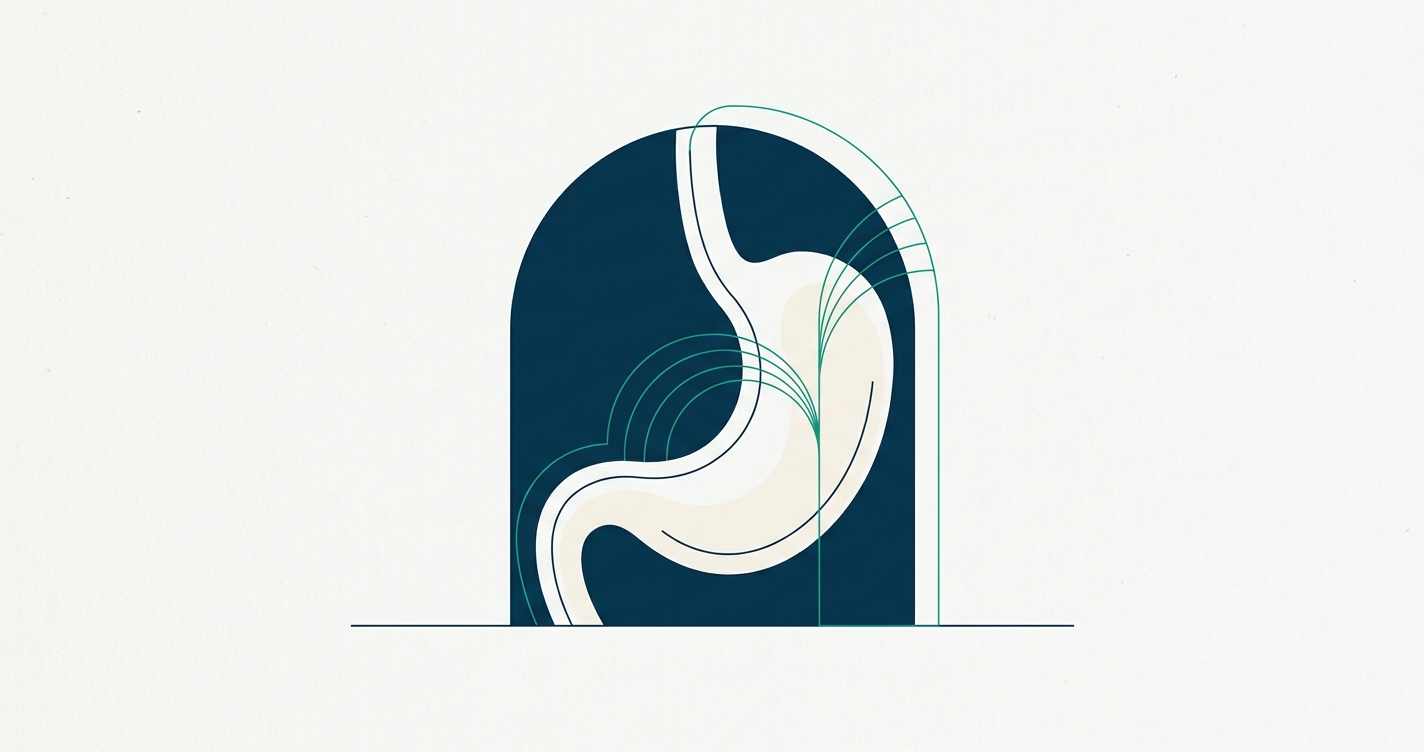
The core of the procedure involves surgically removing approximately 75-80% of the stomach. The remaining portion is shaped into a narrow tube or "sleeve." This new, smaller stomach can only hold a fraction of the food it could previously. This physical restriction is the primary mechanism for weight loss.
However, the surgery also has important hormonal effects. The removed portion of the stomach is the primary site of ghrelin production. Ghrelin is often called the "hunger hormone." By removing this tissue, the procedure significantly reduces ghrelin levels. Patients subsequently experience a marked decrease in appetite. This hormonal change makes it much easier to adhere to a smaller, healthier diet. The procedure itself typically takes 60 to 90 minutes under general anesthesia.
2. Clinical Results: Weight Loss and Health Improvements
The primary measure of success for bariatric surgery is Excess Weight Loss (EWL). This metric represents the percentage of weight lost above the patient's ideal body weight. Clinical data from Chinese surgical centers is consistent with leading international benchmarks.
A multi-center study of Chinese patients undergoing VSG demonstrated significant and sustained weight loss (Journal of Gastrointestinal Surgery, 2021). Patients typically achieve 60-70% EWL within the first year. By the five-year mark, many patients maintain an EWL of 50-60%. This demonstrates the procedure's long-term effectiveness.
Beyond weight loss, the gastric sleeve prompts major improvements in obesity-related health conditions. This is often the most life-changing aspect for patients.
- Type 2 Diabetes: Over 70% of patients experience remission or significant improvement, often within days of surgery (The Lancet, 2021).
- Hypertension: More than 60% of patients see their high blood pressure resolve or improve, reducing the need for medication.
- Obstructive Sleep Apnea: A vast majority of patients, over 85%, find their symptoms resolve completely.
- High Cholesterol: Lipid profiles improve significantly in most patients post-surgery.
These outcomes transform a patient's health profile. They reduce the long-term risks of heart disease, stroke, and certain cancers.
3. Comparing Gastric Sleeve to Other Bariatric Surgeries
The gastric sleeve is one of several effective bariatric procedures. Understanding its profile in comparison to others, like the Roux-en-Y Gastric Bypass (RYGB), is crucial for informed decision-making. Each has distinct characteristics.
| Feature | Laparoscopic Sleeve Gastrectomy (VSG) | Roux-en-Y Gastric Bypass (RYGB) |
|---|---|---|
| Mechanism | Restrictive (smaller stomach) and hormonal (less ghrelin). | Restrictive and malabsorptive (bypasses part of the small intestine). |
| Avg. EWL | 50-70% | 60-80% |
| Complexity | Technically simpler, shorter operating time. | More complex, involves rerouting the intestines. |
| Reversibility | No, the stomach portion is permanently removed. | Yes, technically reversible, but rarely done. |
| Risks | Lower risk of nutritional deficiencies. Primary risk is staple line leak. | Higher risk of "dumping syndrome" and long-term vitamin/mineral deficiencies. |
| Follow-up | Requires lifelong vitamin supplementation. | Requires more intensive, lifelong nutritional monitoring and supplementation. |
The VSG is often preferred for its lower rate of long-term complications, particularly concerning nutrient malabsorption. It does not reroute the intestines, preserving normal digestion and absorption. This makes it a compelling option for many patients.
What this means for international patients
For international patients considering a gastric sleeve in China, the key advantages are clinical excellence, advanced technology, and significant value. Leading international hospitals in cities like Shanghai, Beijing, and Guangzhou offer comprehensive bariatric programs. These facilities are often JCI-accredited, ensuring they meet the highest global standards for safety and quality of care.
Surgical teams in these centers are highly experienced. They perform a high volume of bariatric procedures using the latest laparoscopic equipment from global brands like Medtronic and Johnson & Johnson. Many surgeons have trained internationally and follow Enhanced Recovery After Surgery (ERAS) protocols. These protocols are designed to minimize surgical stress and accelerate recovery.
The cost structure provides notable savings. A typical all-inclusive package for a gastric sleeve procedure is around $8,500 USD. This represents a 40–70% lower cost than equivalent care in the United States, where prices often range from $15,000 to $25,000 (NIDDK, 2023).
Sample Gastric Sleeve Package Breakdown ($8,500 USD)
- Professional Fees: Includes lead surgeon, assistant surgeon, and anesthesiologist.
- Hospital Charges: 3 nights in a private patient room.
- Surgical Suite: Operating room, all laparoscopic surgical staples, and instruments.
- Diagnostics: All required pre-operative blood tests, ECG, and imaging.
- Medications: Anesthesia, antibiotics, and initial post-op pain management.
- Support: Pre- and post-operative nutritional consultations.
This price typically does not include flights, visa fees, or accommodation outside the hospital stay. A standard medical trip timeline involves arriving 2-3 days before surgery for final consultations and tests. The hospital stay is usually 2-3 nights, followed by another 5-7 days of local recovery in a hotel before being cleared to fly home.
FAQ
How much weight can I realistically expect to lose?
Most patients lose between 60% and 70% of their excess body weight in the first 12-18 months. Long-term success, however, depends on sustained commitment to diet, exercise, and lifestyle changes recommended by your medical team.
Is gastric sleeve surgery reversible?
No. The procedure involves the permanent removal of a large portion of the stomach. This is a key difference from adjustable gastric banding, which is reversible. The permanence of the gastric sleeve is a factor in its high rate of long-term success.
What are the primary risks associated with the procedure?
Like any major surgery, VSG carries risks such as bleeding, infection, and adverse reactions to anesthesia. The specific risk for this procedure is a leak from the staple line, which occurs in about 1-2% of cases in high-volume centers. Your surgical team will discuss all potential complications in detail.
How long will I need to stay in the hospital?
The typical inpatient stay after a laparoscopic sleeve gastrectomy is two to three nights. This allows the medical team to monitor your initial recovery, manage pain, and ensure you are tolerating liquids before discharge.
Will I have to follow a special diet after surgery?
Yes. A structured dietary plan is essential for safety and success. You will start with clear liquids, progress to thicker liquids, then to pureed foods, and finally to soft solids over several weeks. A nutritionist will provide a detailed long-term eating plan.
Does insurance cover bariatric surgery in China for international patients?
This depends entirely on your individual insurance plan. Most patients pay for the procedure directly due to the significant cost savings. We recommend contacting your insurance provider to inquire about their policy on international "out-of-network" procedures.
Next steps
Understanding the clinical details of gastric sleeve surgery is the first step. The next is to explore how this and other procedures align with your personal health goals. For detailed information on our bariatric programs and other advanced medical treatments, please see our list of available /treatments.