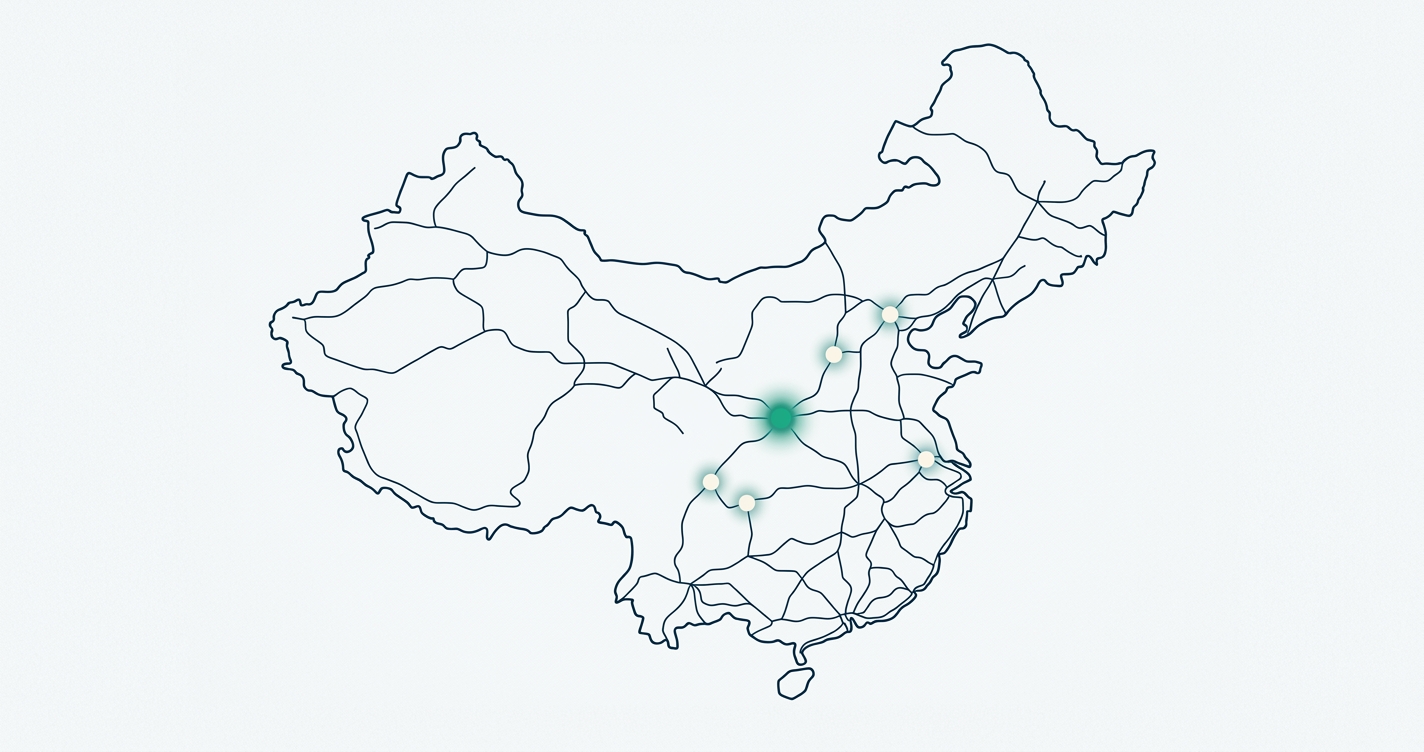
Choosing the right country for medical treatment is a significant decision. Yet an equally crucial question often follows: which city is the best fit? For patients considering China, the options can seem vast. The search for the best Chinese city for medical treatment involves balancing clinical specialization, recovery environment, and total cost. The optimal choice depends entirely on the patient's unique medical and personal requirements. This framework helps prospective patients navigate that decision with clarity and confidence.
The global medical tourism landscape has matured significantly. It is no longer enough to simply choose a country. Leading destinations now feature distinct urban centers of excellence. These hubs often develop around top-tier universities, government-funded research parks, and clusters of specialized hospitals. A 2023 report from the Medical Tourism Association noted this trend toward sub-national specialization. Cities like Beijing, Shanghai, and Guangzhou have cultivated unique medical identities. They attract talent and investment in specific fields, from oncology to orthopedics. Understanding these distinctions is the first step in planning a successful treatment journey.
1. Aligning Clinical Need with City Specialization
The most critical factor is the city's clinical strength in your required treatment area. China's top-tier cities have developed distinct medical ecosystems. A hospital's reputation is often tied to the city's broader research and academic focus. For instance, Beijing is a national hub for neurological sciences and complex cancer care. This is due to its concentration of national research institutes and leading comprehensive hospitals.
Shanghai, by contrast, has cultivated a reputation for cardiovascular surgery and orthopedics. Its international hospitals often lead in adopting new surgical technologies and protocols. Further south, the Greater Bay Area, encompassing cities like Guangzhou and Shenzhen, is a leader in fertility treatments and advanced diagnostics. Choosing a city with a deep talent pool in your specific field ensures access to the most experienced specialists and advanced technologies.
2. Evaluating the Recovery Environment
A successful medical outcome depends on more than the procedure itself. The post-treatment recovery environment is paramount. Patients must consider factors that contribute to physical and mental well-being during this critical period. These variables differ significantly between Chinese cities.
- Climate: Northern cities like Beijing have cold, dry winters and hot summers. Southern cities such as Guangzhou offer a milder, subtropical climate year-round. For patients recovering from respiratory procedures or those sensitive to cold, a southern city may be more suitable.
- Air Quality: While air quality has improved dramatically across China, regional variations persist. We advise patients on seasonal air quality patterns and select facilities with state-of-the-art indoor air filtration systems.
- Pace of Life: The intense energy of Shanghai or Beijing can be stimulating for some but overwhelming for others. Cities like Hangzhou or Chengdu offer a more relaxed pace. They provide world-class medical care without the pressures of a primary global hub.
- Green Space: Access to parks and quiet areas for gentle rehabilitation is important. Many modern Chinese cities have invested heavily in public green spaces.
3. Comparing Total Cost of Care
While treatment in China offers 40–70% lower cost than in the United States for many procedures, the specific city impacts the total expense. This extends beyond the hospital bill to include accommodation, local transport, and daily living costs. Tier-1 cities like Beijing and Shanghai have the highest cost of living. Tier-2 cities such as Chengdu, Hangzhou, or Tianjin provide excellent medical care at a lower overall price point.
The following table provides an estimated comparison for a 30-day stay. It illustrates how the choice of city can influence a patient's budget. Costs are estimates and can vary based on personal preferences and medical needs.
| Cost Component (30-Day Stay) | Beijing / Shanghai (Tier 1) | Chengdu / Hangzhou (New Tier 1/2) |
|---|---|---|
| Medical Procedure (e.g., Hip Replacement) | $14,000 - $18,000 USD | $11,000 - $15,000 USD |
| Serviced Apartment (1-Bedroom) | $2,000 - $3,500 USD | $1,000 - $2,200 USD |
| Local Transport & Food | $1,000 - $1,500 USD | $700 - $1,200 USD |
| Estimated Total | $17,000 - $23,000 USD | $12,700 - $18,400 USD |
Source: ChinaMedDirect internal analysis of 2023 patient data.
This breakdown shows that a patient could see substantial savings by choosing a Tier-2 city. This is especially true for treatments requiring longer recovery periods. However, the decision must always prioritize clinical excellence over cost alone.
4. Assessing Logistics and Accessibility
For international patients, ease of travel is a practical necessity. China's primary cities are exceptionally well-connected. Beijing (PEK, PKX) and Shanghai (PVG, SHA) are major global aviation hubs with direct flights from most continents. Guangzhou (CAN) and Chengdu (CTU) also have robust and growing international flight networks.
Within China, the high-speed rail system connects all major cities efficiently. This can be a comfortable and cost-effective way to travel for pre-treatment consultations or post-recovery tourism. Language is another key consideration. English is widely spoken within international hospitals and major hotels in Tier-1 cities. In Tier-2 cities, a dedicated medical concierge and translation service, which ChinaMedDirect provides, becomes essential for smooth navigation.
What this means for international patients
ChinaMedDirect’s role is to synthesize these factors into a personalized recommendation. We do not believe there is a single "best Chinese city for medical treatment." There is only the best city for your specific case. Our process begins with a comprehensive review of your medical records by our physician team. We then match your clinical needs with the leading specialists and hospitals in our network.
For a patient seeking a frontier therapy with growing clinical evidence, like certain types of CAR-T cell therapy, we may recommend a specific research hospital in Beijing or Shanghai. These centers often lead national clinical trials (source: China National Medical Products Administration, 2023 data). For a patient requiring a complex orthopedic surgery followed by a lengthy rehabilitation, we might suggest a facility in Hangzhou. This city combines clinical excellence with a more serene recovery environment and a lower cost of living.
Our patient care teams are based in each major city. They manage all logistical aspects, from airport transfers to interpreter services and accommodation. A typical treatment plan includes a detailed timeline and a transparent, all-inclusive cost estimate in USD. This allows you to focus solely on your health and recovery.
FAQ
Is one city definitively the best for all medical treatments?
No. Medical excellence in China is specialized. Beijing is a leader in oncology and neurology. Shanghai excels in cardiology and complex surgery. Other cities have their own areas of focus. The best city is the one with the top specialists and facilities for your specific condition.
How significant is the cost difference between cities?
The difference can be substantial. A procedure and 30-day recovery in a Tier-2 city like Chengdu can be 20–30% less expensive than in Shanghai or Beijing. This is mainly due to lower costs for accommodation and daily living. However, the primary focus should always remain on the quality of clinical care.
What about the language barrier outside the hospital?
In Tier-1 cities like Shanghai and Beijing, English is common in the service industry. In other cities, it is less so. ChinaMedDirect provides every patient with a dedicated bilingual care coordinator and 24/7 access to translation services to ensure seamless communication in all situations.
How do you address concerns about air quality?
We are transparent about seasonal air quality data for each city. All our partner hospitals are modern facilities equipped with advanced HEPA and ventilation systems for superior indoor air quality. We also advise patients on the best times of year to travel for their specific health needs.
Can my family accompany me during my treatment?
Absolutely. We encourage patients to bring a companion for support. Our logistics team assists with visa invitation letters, booking family-friendly serviced apartments, and arranging local activities for your companion while you are recovering.
How is the quality of care in Tier-2 cities compared to Beijing or Shanghai?
Many JCI-accredited hospitals in rising Tier-2 cities offer care that is on par with the best in Beijing or Shanghai for specific procedures. They often provide a more personalized patient experience and a quieter recovery setting. Our vetting process ensures that every hospital in our network meets stringent international standards, regardless of its location.
Next steps
Choosing the right city is a foundational step in your medical journey. To receive a personalized assessment that matches your medical needs with the optimal Chinese city and treatment center, please contact our patient advisory team.